Taste in Balance: The Bitter, Sour, and Sweet in Food with Wild Plants


Taste in Balance: The Bitter, Sour, and Sweet in Food with Wild Plants
When you step into the woods or wander along a meadow with a basket in hand, you enter a world of flavors that rarely make it to the grocery store. Wild plants carry the full spectrum of taste – bitter, sour, and sweet – and learning to balance these can turn a simple meal into something extraordinary. But how do you work with these bold, natural flavors so they complement rather than overpower one another?
The Bitter – Nature’s Counterpoint
Bitterness is often misunderstood. While many associate it with something unpleasant, in small amounts it adds depth and complexity. Many wild greens – such as dandelion leaves, chicory, and young mustard greens – contain bitter compounds that evolved to protect the plant. In the kitchen, that bitterness becomes a tool for balance, especially against rich or sweet ingredients.
A handful of young dandelion leaves in a salad brings a clean, green edge that pairs beautifully with nuts, cheese, or citrus. Chicory can be lightly sautéed and served with bacon or eggs, while wild mustard greens add a peppery bite to soups or grain bowls. The key is moderation: too much bitterness can dominate, but just enough gives a dish sophistication and structure.
The Sour – Freshness and Spark
Sourness brings brightness and life to food. In the wild, it appears in plants like wood sorrel, sumac, and wild berries such as blackberries or chokecherries. That tangy note wakes up the palate and balances both fat and sweetness.
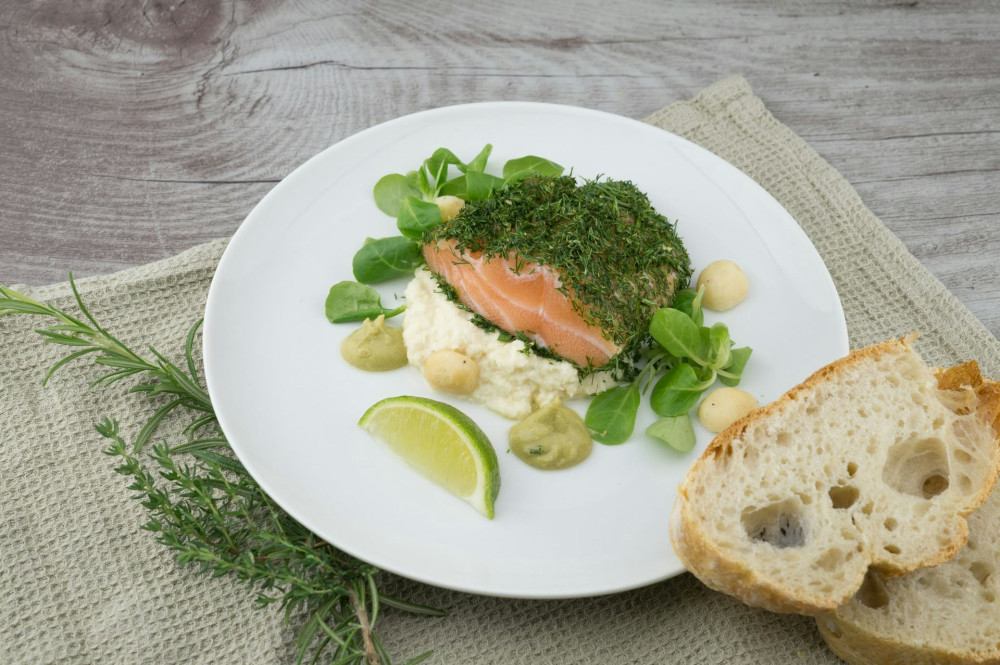
Wood sorrel, with its lemony flavor, makes a refreshing garnish for fish or salads. The red, citrusy powder from sumac berries – long used in Middle Eastern cooking – can be sprinkled over roasted vegetables or grilled meats for a lively, tart accent. Even a handful of wild berries stirred into yogurt or vinaigrette can add a natural, fruity acidity that ties a dish together.
The Sweet – Nature’s Gentle Touch
Sweetness in wild plants is often subtle, but it can be just as rewarding as cultivated fruit. Blossoms like clover, elderflower, and honeysuckle contain natural sugars that can be infused into syrups or teas. Maple sap, tapped directly from the tree, is another reminder that sweetness can come straight from the forest.
Elderflower syrup adds a floral sweetness to sparkling water or desserts, while clover blossoms can be dried for tea or used as a delicate garnish. Even roasted roots like burdock or wild parsnip develop a caramel-like sweetness that balances bitter greens or tangy sauces. These gentle sugars round out the sharper edges of wild flavors, creating harmony on the plate.
Læs også:



Creating Balance in the Dish
Cooking with wild plants is all about contrast. A bitter salad becomes more inviting with a sour vinaigrette made from apple cider vinegar or lemon juice, while a drizzle of sweet syrup can soften the intensity of wild herbs. Likewise, a tart berry compote gains depth from a hint of bitterness in dark chocolate or toasted nuts.
A good approach is to let one taste lead and use the others to support it. A grilled trout might shine with a squeeze of lemony wood sorrel and a touch of earthy dandelion greens. A dessert of wild berries and cream can be lifted by a drizzle of maple syrup and a sprinkle of sumac for brightness.
A Sensory Connection to the Wild
Cooking with wild plants is more than a culinary experiment – it’s a way to reconnect with the landscape. Foraging, smelling, and tasting teach us how nature’s flavors interact and how balance emerges from diversity. It takes curiosity and respect, but the reward is profound: a deeper understanding of how bitter, sour, and sweet can meet in perfect, natural harmony.
Læs også: