Preserve the Natural Quality of Ingredients with Small Adjustments in the Kitchen

Preserve the Natural Quality of Ingredients with Small Adjustments in the Kitchen
Fresh ingredients are the foundation of good cooking. Yet many foods lose their natural flavor, texture, and nutrients long before they reach the plate. Often, it’s the small habits in the kitchen—too much heat, improper storage, or overprocessing—that make the difference. The good news is that with a few simple adjustments, you can preserve the natural quality of your ingredients and get more out of what you already buy.
Storage – the first key to freshness
How you store your ingredients has a major impact on both taste and shelf life. Many fruits and vegetables prefer cool conditions, but not necessarily the coldest part of the refrigerator.
- Root vegetables like carrots, beets, and parsnips keep best in a dark, cool place with moderate humidity. A paper bag in the crisper drawer works well.
- Tomatoes lose flavor in the fridge. Keep them at room temperature, away from direct sunlight.
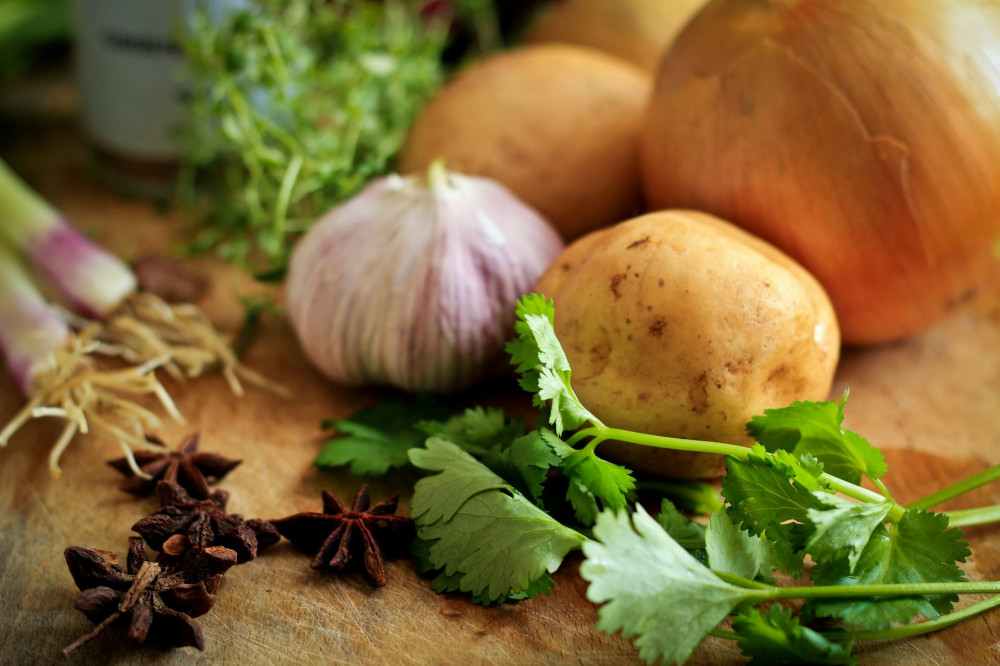
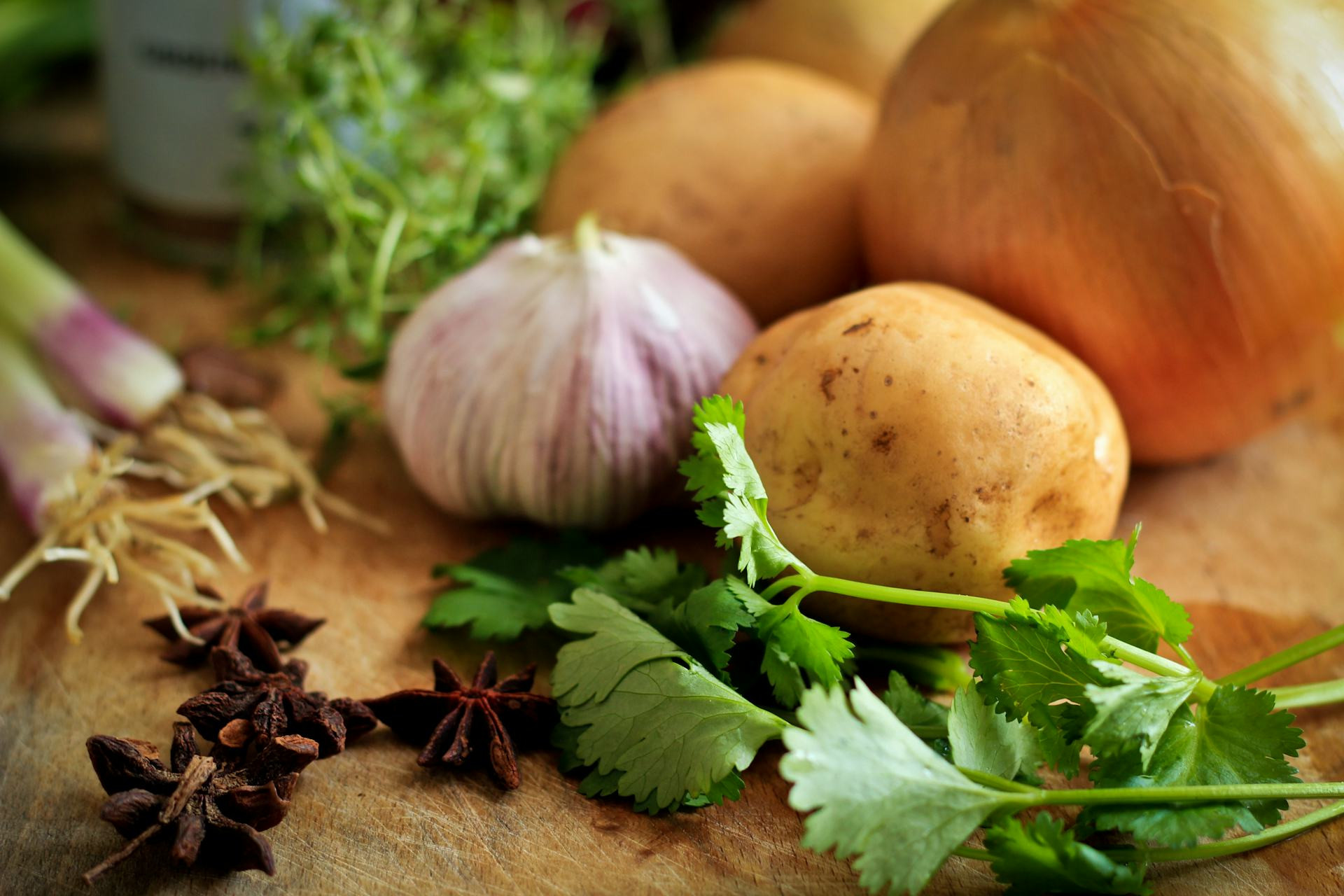
- Fresh herbs such as parsley, cilantro, and basil last longer if you place them in a glass of water and cover them loosely with a plastic bag.
- Fruits like apples and bananas release ethylene gas, which speeds up ripening in other produce—store them separately.
Small changes in storage can extend the life of your ingredients and help preserve their natural aroma and texture.
Cut and cook with care
When you chop, slice, or grate produce, enzymes are released that can affect flavor and nutrients. That’s why it’s best to prepare fruits and vegetables right before using them.
Use sharp knives—dull blades crush cell walls and cause ingredients to lose moisture and freshness more quickly.
Cooking is all about balance. Too much heat can destroy vitamins and create bitterness, while too little heat can leave food bland and heavy.
- Steaming is a gentle method that preserves both color and nutrients in vegetables.
- Quick sautéing over high heat, such as in a stir-fry, keeps vegetables crisp without drying them out.
- Roasting at moderate temperatures (around 325–350°F) brings out the natural sweetness in root vegetables and fruits.
By adjusting your cooking method to suit each ingredient, you can enhance flavor and texture—without adding extra ingredients.
Use less, but better, fat
Fat is an important flavor carrier, but it can also mask the natural character of your ingredients. Try using smaller amounts, but choose high-quality fats.
Cold-pressed olive oil, butter from grass-fed cows, or avocado oil can elevate a dish without making it feel heavy.
A good trick is to add fat at the end of cooking—drizzle a little olive oil over steamed vegetables or finish a soup with a touch of butter. This keeps flavors fresh and vibrant instead of weighed down.
Salt and acid – natural flavor enhancers
Many cooks rely on salt as the main flavor booster, but often it’s acidity that’s missing. A splash of lemon juice, vinegar, or even a few fresh tomatoes can make flavors pop without overpowering the ingredient’s natural taste.
Taste as you cook—not just at the end. This helps you find the right balance between salt, acid, and sweetness, keeping your dishes bright and balanced.
Give ingredients time – but not too much
Time is an underrated factor in cooking. Some ingredients benefit from resting, while others lose quality if they sit too long.
- Meat should rest after cooking so the juices redistribute evenly.
- Vegetables are best served soon after cooking, while they still have a bit of crunch.
- Doughs and sourdough starters develop flavor over time—here, patience pays off.
Knowing when time helps and when it hurts is one of the most effective ways to preserve quality.
Less waste – more respect for the ingredient
Preserving the natural quality of ingredients also means using them fully. Peels, stems, and scraps can often be turned into stock, pesto, or vegetable broth. This reduces waste and adds new layers of flavor.
When you use the whole ingredient, you show respect for both nature and the effort behind food production—and you get more value from your groceries.
Læs også:




Small adjustments, big difference
Preserving the natural quality of your ingredients doesn’t require fancy equipment or expensive products. It’s about awareness—understanding how ingredients respond to temperature, time, and handling.
With a few mindful changes in your kitchen habits, you can enhance flavor, retain nutrients, and create food that feels more authentic—just as nature intended.
Læs også: