Slow Travel – Find Peace and Presence on Your Journey


Slow Travel – Find Peace and Presence on Your Journey
In a world where vacations often turn into a race to see and do as much as possible, slow travel offers a refreshing alternative. It’s not about checking landmarks off a list, but about taking time—to feel the place, the atmosphere, and yourself. Traveling slowly can be a powerful antidote to everyday busyness and a way to rediscover calm and presence.
What Does It Mean to Travel Slowly?
Slow travel isn’t just about moving at a slower pace; it’s about changing your mindset. It’s a conscious choice to slow down, let experiences unfold naturally, and be fully present in the moment.
That might mean staying longer in one destination instead of hopping from city to city, taking the train instead of flying, or spending an afternoon at a local café with no agenda. It’s about leaving room for the unexpected—and realizing that the best moments often happen when you stop rushing.
The Benefits of Slowing Down
When you travel slowly, you experience more—not in quantity, but in depth. You get to know a place differently when you have time to talk with locals, explore side streets, or simply sit and watch life go by.
Slow travel can also have a positive impact on your body and mind. Without constant schedules and transportation stress, you can relax, sleep better, and feel your tension melt away. Many travelers return home with a renewed sense of energy, clarity, and gratitude.
Læs også:

How to Plan a Slow Travel Experience
It may sound ironic, but slow travel requires a bit of planning—just a different kind than the typical packed itinerary.
- Choose fewer destinations. It’s better to truly get to know one city or region than to skim through five.
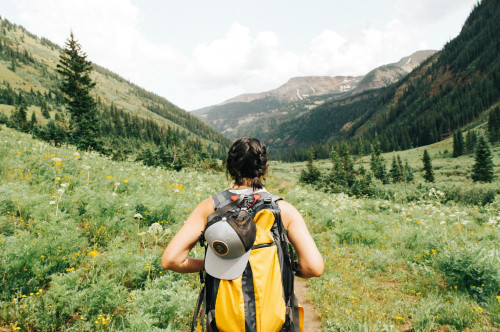
- Rethink transportation. Trains, bikes, or walking let you experience the landscape as you move through it.
- Build in downtime. Schedule days with no fixed plans—time to wander, read, or simply be.
- Stay local. Opt for small inns, vacation rentals, or farm stays where you can connect with everyday life.
- Eat where locals eat. You’ll find better food and a more authentic sense of place.
The key is to let go of the idea that you have to “accomplish” something. Slow travel is about allowing experiences to come to you.
Inspiration for Slow Travel Destinations
You don’t have to go far to find peace. The United States offers countless places that invite a slower rhythm.
- The Pacific Northwest – Explore Oregon’s coast or Washington’s islands, where nature sets the pace.
- New England towns – Wander through Vermont’s villages or Maine’s harbors, especially outside peak season.
- The Southwest – Discover the quiet beauty of New Mexico’s desert landscapes and small art towns.
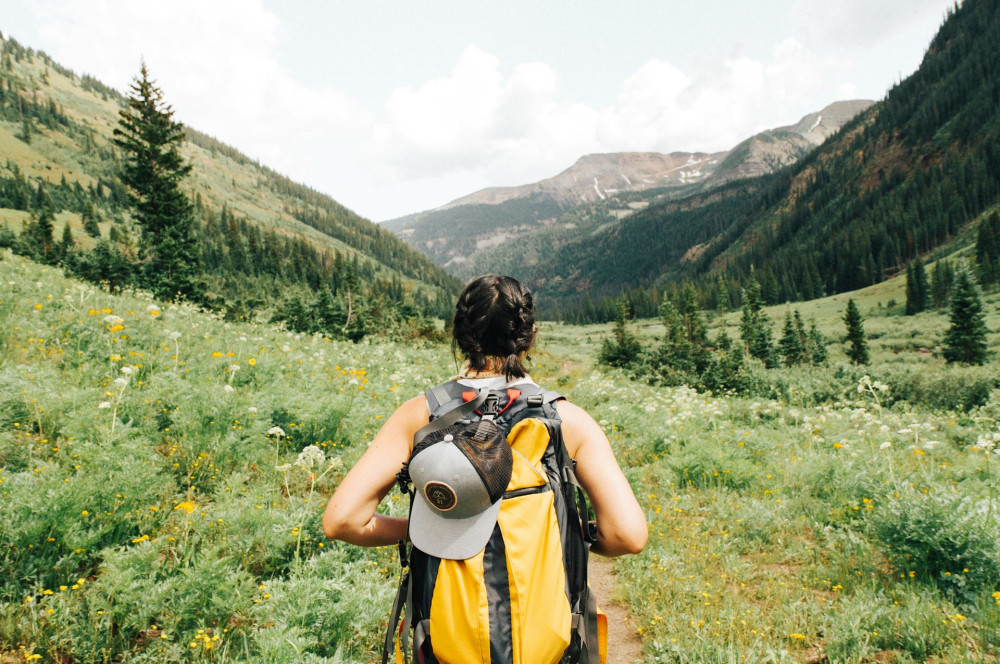
- The Blue Ridge Mountains – Hike, listen to birdsong, and enjoy the gentle pace of Appalachian life.
- The Great Lakes region – Spend lazy days by the water, cycling between small lakeside communities.
Wherever you go, choose places that encourage you to breathe deeply and tune in to the rhythm of your surroundings.
Presence as the Ultimate Souvenir
When you travel slowly, you bring home more than photos—you bring back impressions, connections, and a sense of calm. You learn to appreciate small moments: the smell of coffee from a corner café, the sound of waves against the shore, or a conversation with a stranger who becomes a friend.
Those memories last longer than souvenirs, and they remind you that peace and presence aren’t just for vacations—they can find a place in your everyday life too.
Læs også: