Active Relaxation – When Movement and Calm Go Hand in Hand

Active Relaxation – When Movement and Calm Go Hand in Hand
In a world that rarely slows down, the idea of finding calm through movement might sound contradictory. Yet for many Americans juggling work, family, and constant digital connection, active relaxation offers a way to recharge both body and mind. It’s not about pushing limits or chasing performance goals—it’s about moving in ways that restore balance and presence. Whether it’s a quiet walk through a park, a gentle yoga session, or tending to your garden, active relaxation turns movement into a path toward peace.
What Is Active Relaxation?
Active relaxation is a form of recovery that combines light physical activity with mental calm. Instead of collapsing on the couch after a long day, you engage your body at an easy pace that helps your thoughts settle. It’s a healthy counterbalance to the sedentary nature of modern work and the mental fatigue that often follows.
Research shows that gentle physical activity can lower stress hormones, improve sleep quality, and boost focus. When you move without the pressure to perform, your body finds its natural rhythm, and your mind gets a break from constant demands.
Finding Your Own Way to Move and Unwind
There’s no single right way to practice active relaxation. The key is to choose activities that feel comfortable and enjoyable rather than strenuous. Here are a few ideas:
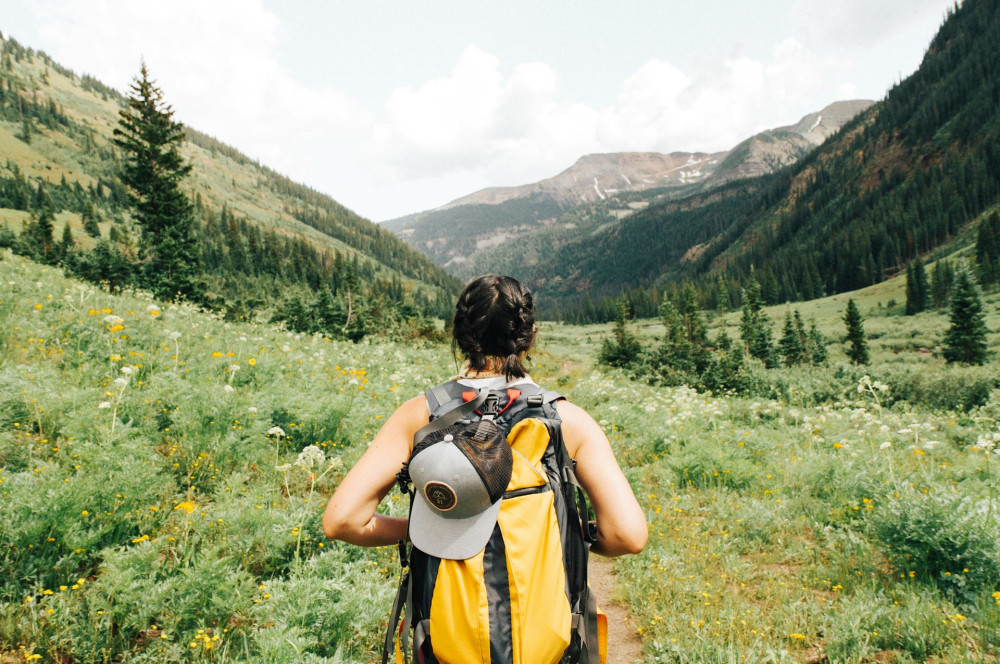
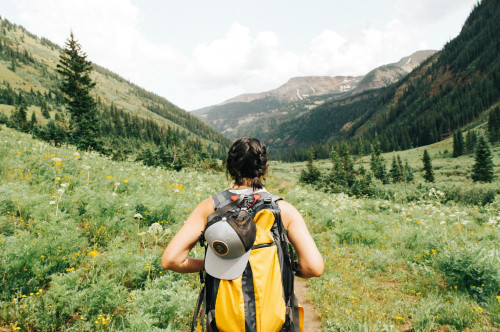
- Walking outdoors – one of the simplest and most accessible forms of active relaxation. The rhythm of your steps and the fresh air help slow your pace and clear your mind.
- Yoga or stretching – combines movement, breath, and focus, creating both physical ease and mental clarity.
- Swimming – the water’s resistance and buoyancy help release tension while supporting gentle movement.
- Leisurely cycling – perfect for letting your thoughts drift while enjoying the scenery and fresh air.
- Gardening or light chores – working with your hands can bring a sense of flow and satisfaction as your mind unwinds.
The goal isn’t to achieve or compete—it’s simply to be present in what you’re doing.
Læs også:
Creating Balance in Everyday Life
Many people associate relaxation with stillness—watching TV, scrolling on a phone, or taking a nap. But the body often recovers more effectively when it moves gently. Active relaxation can help balance the long hours many Americans spend sitting at desks or in cars.
Try weaving small moments of movement into your day: take a short walk during lunch, stretch after work, or choose the stairs instead of the elevator. These small choices don’t take much time but can make a big difference in your energy and mood.
Mindfulness in Motion
A key part of active relaxation is awareness. When you focus on your breathing, your body’s sensations, and your surroundings, you strengthen your ability to be present. It’s like meditation in motion—a way to find calm without sitting still.
Next time you go for a walk, leave your headphones behind. Listen to the sounds around you, notice the feel of the ground beneath your feet, and pay attention to how your body moves. It’s a simple practice, but its effect can be surprisingly powerful.
Making Active Relaxation a Lifestyle
When active relaxation becomes part of your routine, it can transform how you approach both work and leisure. You learn to listen to your body’s signals and to find calm even when life feels hectic.
It doesn’t require special equipment or long workouts. It’s about giving yourself permission to move without goals, pressure, or guilt. In that gentle movement lies a kind of peace that many of us are missing—a reminder that sometimes, the best way to rest is to move.
Læs også: