Where’s the Line? How the Law Distinguishes Between Gambling and Entertainment


Where’s the Line? How the Law Distinguishes Between Gambling and Entertainment
In an age where gaming and entertainment increasingly overlap, it can be hard to tell where harmless fun ends and gambling begins. Many apps and online platforms use casino-like mechanics—spinning wheels, random rewards, and flashy animations—without necessarily involving real money. Yet the legal distinction matters, because it determines which rules apply and how consumers are protected.
So where exactly is the line? And how does U.S. law decide whether an activity counts as gambling or just entertainment?
What the Law Says
In the United States, gambling laws vary by state, but most definitions share three key elements. An activity is generally considered gambling if it involves:
- Consideration – the player pays or risks something of value to participate.
- Chance – the outcome depends at least partly on luck rather than skill.
- Prize – the player can win something of monetary value.
If all three elements are present, the activity is likely to be classified as gambling and subject to state regulation or prohibition. If one of these elements is missing—say, there’s no real-money prize—the activity usually falls outside gambling laws and is treated as entertainment.
Læs også:


Real-World Examples
The distinction becomes clearer when we look at specific cases:
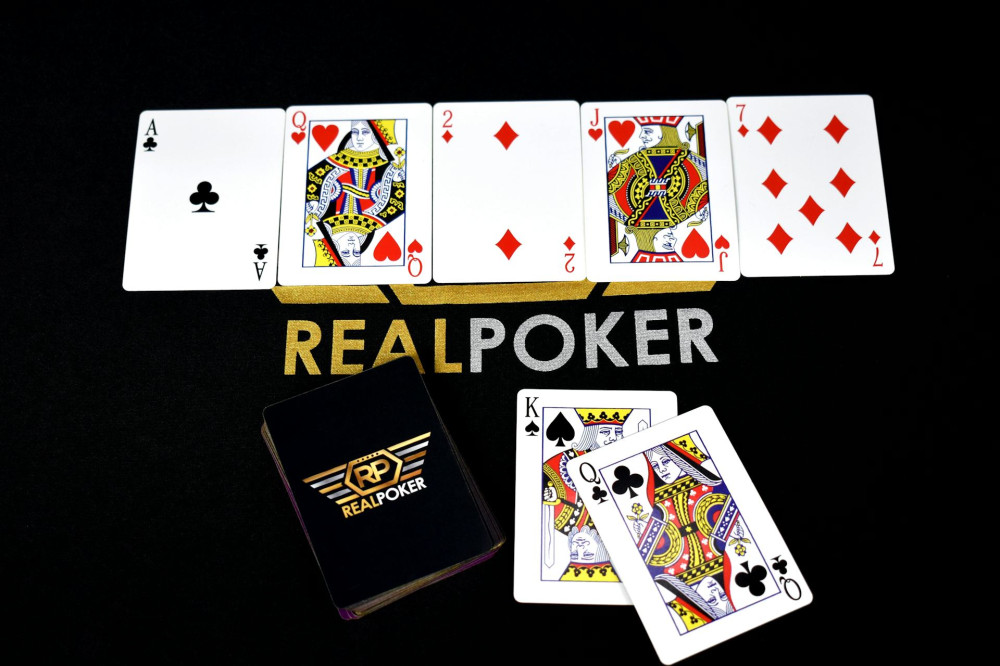
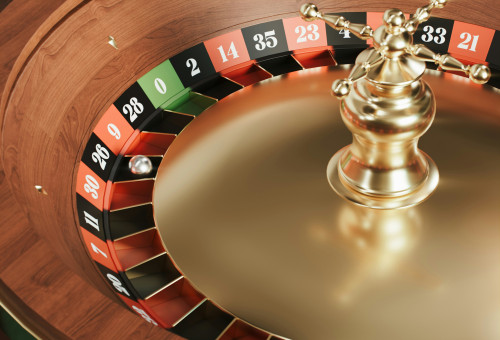
- Online casinos that offer slots, poker, or roulette for real money are unmistakably gambling and require state licenses in jurisdictions where they’re legal.
- Skill-based competitions, such as e-sports tournaments or fantasy sports contests, often fall into a gray area. If skill predominates and prizes are based on performance rather than chance, they may be exempt from gambling laws—but the details vary by state.
- Mobile games with “loot boxes” or random rewards are another gray zone. If the virtual items can’t be exchanged for cash or real-world value, regulators typically treat them as entertainment. However, lawmakers and consumer advocates continue to scrutinize these mechanics because they mimic gambling behavior.
Why the Distinction Matters
The difference between gambling and entertainment isn’t just legal—it’s about consumer protection. Gambling carries risks of addiction and financial loss, which is why licensed operators must follow strict rules on age limits, responsible gaming, and transparency.
Entertainment games, on the other hand, aren’t subject to the same oversight. That means players—especially minors—can be exposed to gambling-like features without the safeguards that apply to real-money gaming. Regulators and parents alike worry that these mechanics can normalize gambling behavior and encourage risky habits later on.
The Role of Game Developers
Developers often walk a fine line. Many design games that feel exciting and unpredictable but stop short of offering real-money rewards. They may use virtual currencies, random prizes, or “near-miss” effects to keep players engaged.
Legally, that keeps them on the entertainment side of the line. Ethically, however, developers are encouraged to be transparent about how their reward systems work and to avoid marketing that could mislead players into thinking they’re gambling—or winning something of real value.
How to Tell the Difference Yourself
If you’re unsure whether a game or app counts as gambling, ask yourself three questions:
- Do I have to pay or risk something of value to play?
- Is the outcome based mostly on luck rather than skill?
- Can I win something that has real-world or monetary value?
If the answer is “yes” to all three, it’s probably gambling—and the operator should be licensed. If one or more answers are “no,” it’s likely entertainment, though the experience may still feel similar to gambling.
A Moving Line
Technology evolves faster than the law. Virtual currencies, blockchain-based games, and new reward systems constantly challenge traditional definitions of gambling. U.S. regulators are working to update rules to protect consumers while allowing innovation to thrive.
For players, that means the line between gambling and entertainment will keep shifting. Staying informed—and aware of how games use chance and reward—is the best way to enjoy digital entertainment responsibly.
Læs også: