Teach Kids About Housing Costs and Home Responsibilities


Teach Kids About Housing Costs and Home Responsibilities
Teaching children about housing costs and home responsibilities is an important step in preparing them for adulthood. Many young people are surprised by how expensive it is to live on their own, and how much effort it takes to maintain a home. By involving kids early in conversations and daily tasks, you can help them develop a realistic understanding of what it means to manage a household.
Talk Openly About Money
Kids learn best when they can see how things work in real life — and that includes money. You don’t have to share every detail of your family’s finances, but you can explain that rent or mortgage payments, utilities, insurance, and property taxes are regular expenses that must be paid each month.
Use simple examples: “When we turn off the lights, our electric bill goes down,” or “When we plan our grocery shopping, we waste less food and save money.” These small lessons make financial responsibility tangible and relatable.
Make Housing Costs Understandable
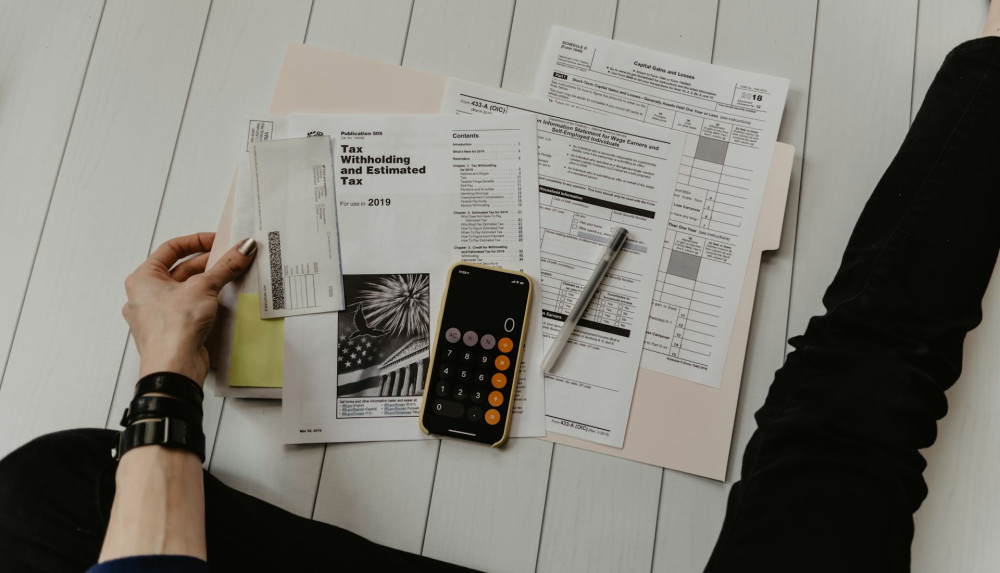
For children, it can be hard to grasp where the money goes each month. Try creating a simple chart together that breaks down household expenses into categories like housing, food, transportation, and entertainment. It can be eye-opening for kids to see how much of a family’s budget goes toward keeping a roof over their heads.
If your child receives an allowance, use it as a mini-budgeting exercise. Talk about dividing money between needs, savings, and fun. This helps them learn about prioritizing and making thoughtful choices.
Involve Kids in Household Tasks
Financial responsibility goes hand in hand with practical responsibility. When children help with chores, they learn that a home requires time and effort to run smoothly. It’s not just about cleaning up after themselves — it’s about contributing to shared responsibilities like cooking, cleaning, and maintenance.
You can make it more engaging by assigning specific areas of responsibility, such as managing the laundry, planning one family meal each week, or helping with recycling. This gives kids a sense of ownership and shows that a home functions best when everyone contributes.
Use Everyday Moments as Teaching Opportunities
Daily life offers plenty of chances to talk about money and responsibility. When you’re shopping, explain why you choose certain products — maybe because they’re on sale or because they last longer. When a utility bill arrives, show how usage affects the total cost.
Even small children can learn that turning off lights, closing the refrigerator door, or conserving water helps save both money and resources. These small habits build awareness and respect for what it takes to maintain a household.
Læs også:

Prepare Teens for Living on Their Own
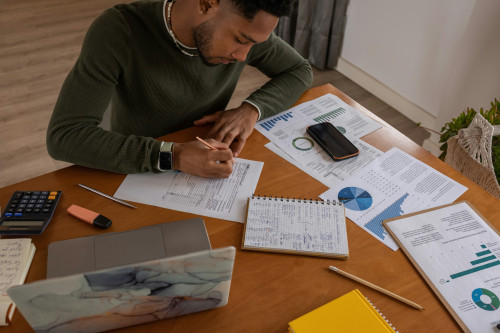
As kids reach their teenage years, you can involve them more directly in planning and budgeting. Have them create a mock monthly budget for living on their own — including rent, groceries, transportation, and entertainment. This exercise helps them see what it really costs to live independently.
You can also include them in real-life decisions, such as comparing internet plans or choosing an insurance policy. These experiences teach them how to evaluate options and make informed financial choices.
Build a Culture of Responsibility and Teamwork
Ultimately, teaching kids about housing costs and home responsibilities is about creating a family culture where everyone contributes. When children understand that their actions have both financial and practical consequences, they become more mindful and self-reliant.
The goal isn’t to make them worry about money, but to equip them with the knowledge and confidence to make smart decisions. A child who grows up understanding how a home operates will be far better prepared to build and manage one of their own someday.
Læs også: