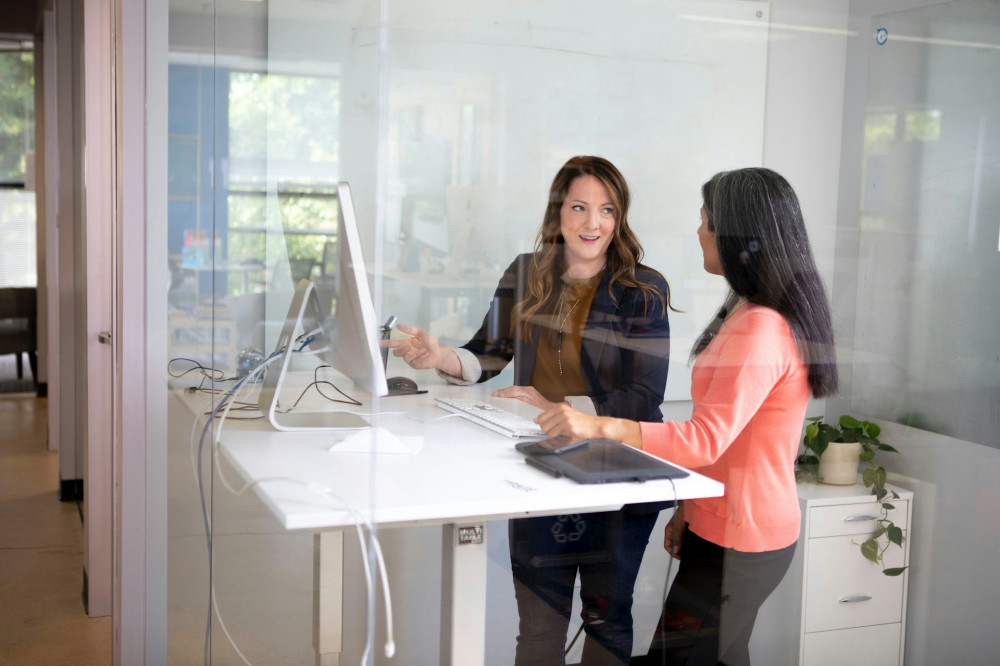
Home Office with Well-Being – How to Set It Up the Right Way


Home Office with Well-Being – How to Set It Up the Right Way
Working from home has become a permanent part of life for many Americans. Whether you’re remote full-time or just a few days a week, your home office setup can make a big difference in how you feel and perform. A well-designed workspace isn’t only about having the right equipment—it’s also about comfort, light, movement, and maintaining a healthy work-life balance. Here’s how to create a home office that supports both productivity and well-being.
Define Your Work Zone
The first step is to clearly separate your workspace from the rest of your home. This helps your mind switch between “work mode” and “home mode.”
- Create boundaries: If you don’t have a separate room, use a rug, bookshelf, or room divider to mark your workspace.
- Keep it tidy: A clutter-free desk helps you think clearly. Make it a habit to tidy up at the end of each day.
- Shut down: When you’re done working, close your laptop and put away work materials. This small ritual signals to your brain that the workday is over.
Ergonomics – Your Body Will Thank You
A comfortable chair and a properly sized desk are not luxuries—they’re essentials for your health. Poor posture can lead to back, neck, and shoulder pain over time.
- Chair: Choose an adjustable office chair that supports your lower back. Your feet should rest flat on the floor, and your knees should be at a 90-degree angle.
- Desk: The height should allow your elbows to rest comfortably at about a right angle when typing.
- Screen: Position your monitor at eye level, about an arm’s length away. Use a monitor stand or even a few stacked books if needed.
- Move often: Stand up, stretch, or walk around every hour. Short breaks improve circulation and focus.
Light and Air – The Unsung Heroes
Lighting and air quality have a huge impact on your energy and mood. A dark or stuffy room can quickly drain your motivation.
- Natural light: Set up your desk near a window, but avoid glare on your screen. Daylight helps regulate your body clock and boosts alertness.
- Task lighting: Add a good desk lamp with adjustable brightness and a warm tone for comfort.
- Fresh air: Open windows regularly or use an air purifier to keep the air clean and oxygen-rich.
- Plants: A few green plants can purify the air and bring a calming touch to your space.
Læs også:




Create a Space You Enjoy
Your home office should reflect your personality and make you feel good. A pleasant environment can lift your mood and motivation.
- Colors: Soft tones like blue, green, or beige promote calm and focus.
- Decor: Add a few personal touches—a framed photo, a piece of art, or a favorite mug—to make the space inviting without cluttering it.
- Sound: Some people work best in silence, others with background music or nature sounds. Experiment to find what helps you concentrate.
- Scent: A subtle scent from a candle or essential oil, such as lavender or citrus, can create a refreshing atmosphere.
Build Healthy Routines
When your home is your office, it’s easy for work and personal time to blur together. Structure helps you stay balanced.
- Set a schedule: Start and end your workday at consistent times. Include regular breaks, just as you would in an office.
- Move your body: Take a walk during lunch, stretch between meetings, or do a quick workout to stay energized.
- Change scenery: If possible, work occasionally from a different spot—like a coffee shop, library, or co-working space—for a mental reset.
- End the day intentionally: Power down your devices, tidy your desk, and do something that marks the transition to personal time.
Finding Balance Between Work and Home
A successful home office setup is about more than furniture—it’s about creating boundaries and habits that support both your productivity and your well-being.
Experiment to find what works best for you. Maybe it’s a standing desk, maybe it’s a morning walk before logging in. The key is to design a space and routine that give you energy, focus, and peace of mind.
Your home office shouldn’t just be a place where you work—it should be a place where you thrive.
Læs også: