Choose the Right Time to Travel – How Climate Affects Your Travel Experience


Choose the Right Time to Travel – How Climate Affects Your Travel Experience
When planning a trip, it’s not just about where you go – it’s also about when you go. Climate can shape your entire travel experience: from the weather and scenery to prices, crowds, and even the local atmosphere. By choosing the right time to travel, you can make the most of your vacation – whether you’re dreaming of beaches, city adventures, or outdoor escapes.
Understand the Seasons
Most destinations have clear high and low seasons that follow the weather. But the best time to visit depends on what you want to experience.
- High season usually offers the best weather – sunny days, warm temperatures, and lively energy. However, it also means higher prices and more tourists. Think of Europe in July or Hawaii during winter holidays.
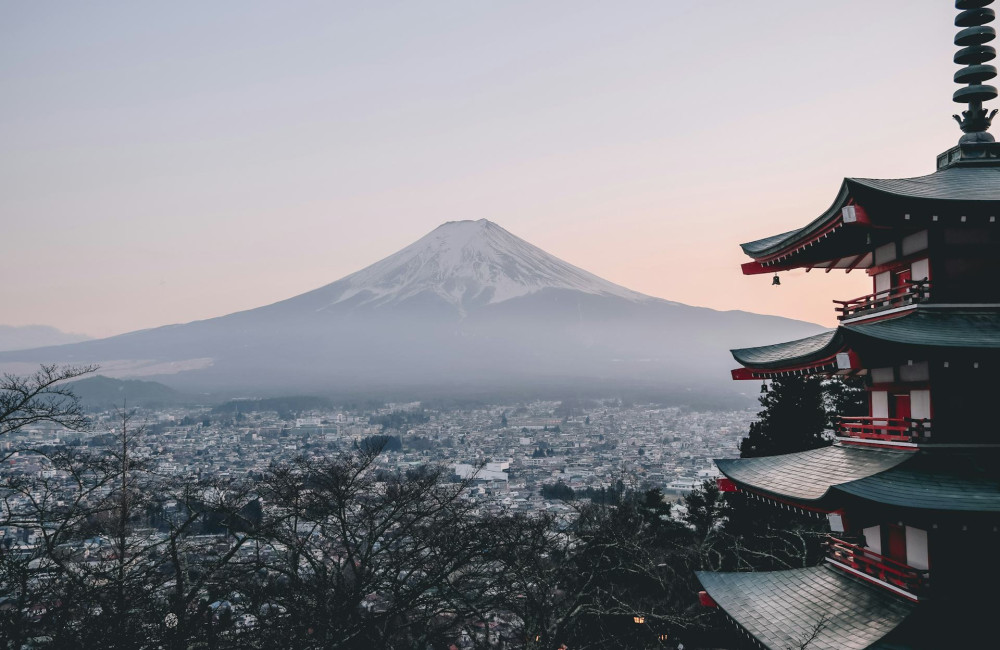
- Shoulder seasons (spring and fall) can be ideal if you want to avoid crowds and save money. The weather is often pleasant, and you’ll see a different side of nature – like cherry blossoms in Japan or colorful foliage in New England.
- Low season can bring unique opportunities: fewer visitors, lower prices, and a more authentic local feel. For example, visiting national parks in early spring or late fall can be peaceful and rewarding.
By researching the climate and seasonal patterns in advance, you can find the time that best matches your travel goals and personality.
How Climate Shapes Your Experience
Climate affects more than just temperature. It influences landscapes, wildlife, and the activities available. In tropical regions, the rainy season can make some roads impassable but also brings lush greenery and fewer tourists. In northern areas, long summer days or snowy winters can completely change how you experience a place.
A few examples:
- Southeast Asia: The dry season (roughly November to April) is best for beach vacations, while the rainy season offers vibrant scenery and fewer crowds.
- Iceland: Summer brings endless daylight and green landscapes, while winter offers a chance to see the Northern Lights – though with shorter days and colder weather.
- The U.S. National Parks: Summer is popular but crowded. Visiting in spring or fall means cooler temperatures, fewer people, and stunning seasonal colors.
Avoid Climate Surprises
Choosing the right time to travel also means avoiding extreme conditions. Hurricane season in the Caribbean (June–November) or heat waves in the American Southwest can make travel uncomfortable or even unsafe. Always check local climate data and forecasts before booking.
Many travel websites and meteorological services provide monthly averages for temperature, rainfall, and sunshine hours. These can help you set realistic expectations and pack appropriately.
Læs også:


Climate and Sustainable Travel
Climate awareness also plays a role in traveling responsibly. By visiting destinations outside their peak season, you can help reduce overtourism and support a more balanced local economy. It’s a win for both the environment and the communities you visit.
You can also consider destinations closer to home to reduce your carbon footprint. A road trip through the Pacific Northwest or a train journey along the East Coast can be just as memorable as a long-haul flight abroad.
Plan According to Your Preferences
There’s no single “perfect” time to travel – only the time that’s perfect for you. Some travelers love the heat and energy of summer, while others prefer cooler weather and quieter surroundings. Think about what you want from your trip: relaxation, adventure, culture, or nature.
Make a list of your priorities and use climate as a guide, not a limitation. Sometimes unexpected weather can lead to the most memorable moments – a sudden rain shower that sends you into a cozy café, or a crisp morning hike through misty mountains.
Travel with the Seasons – and See the World Differently
Choosing the right time to travel is ultimately about understanding how climate shapes the world around us. When you travel with the seasons instead of against them, you don’t just get better weather – you gain a deeper connection to the place, its people, and its natural rhythms.
So next time you plan a trip, let the calendar and the climate work together. It could be the difference between a good vacation and an unforgettable one.
Læs også: